


Matte, Satin, and Gloss in Dialogue
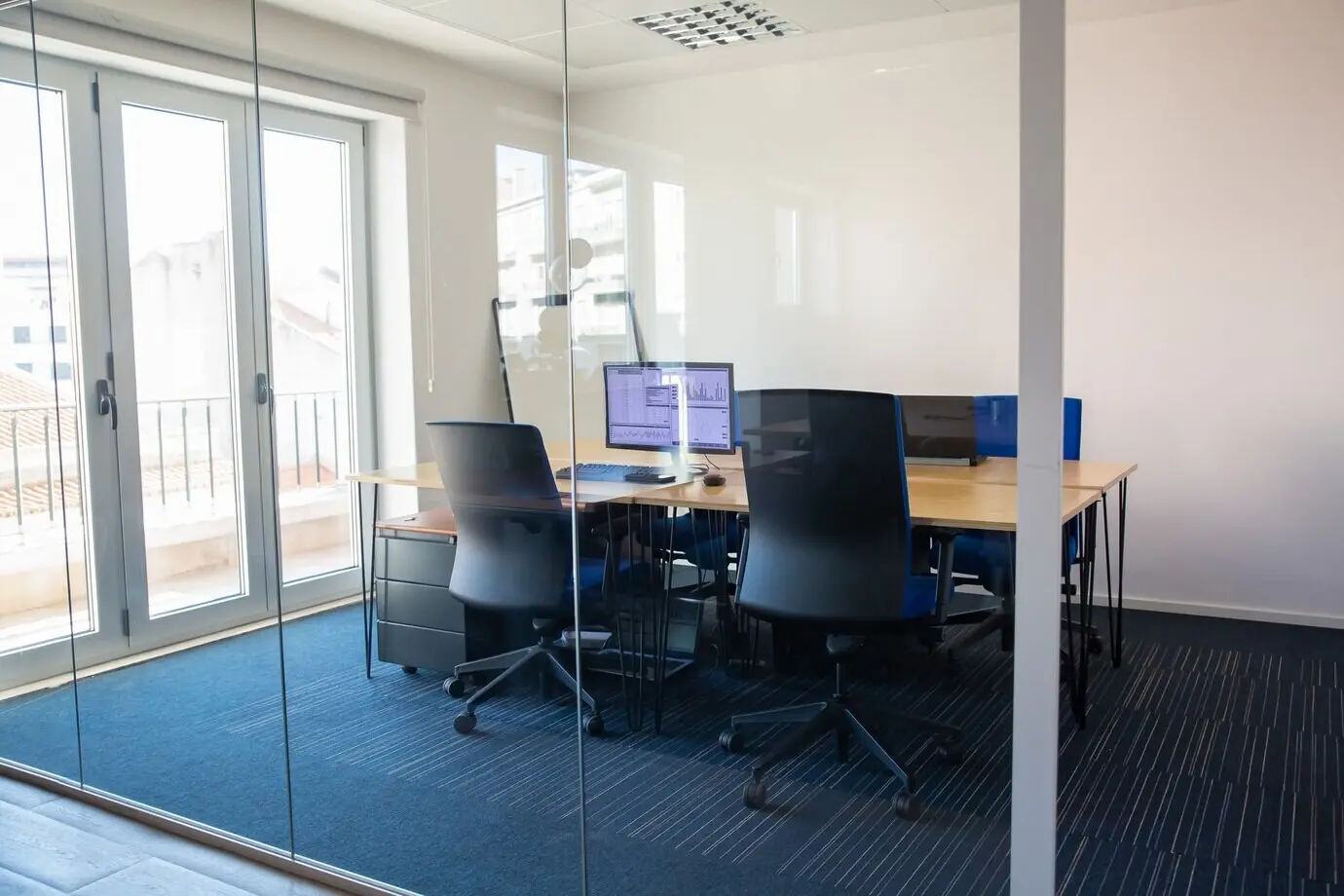
Use matte to temper reflections, satin to introduce quiet shimmer, and gloss sparingly for intentional highlights. Balance these finishes so bright accents never overpower faces or art. A softly lit satin cabinet can feel luxurious when paired with matte walls. Test samples under your planned sources, ensuring the lighting plan and materials complete each other with effortless poise.

Shades, Lenses, and Diffusers
Fabric shades, opal lenses, and microprismatic diffusers can transform harsh points into velvety pools. Match diffuser temperature and translucency to avoid color casts. Drum silhouettes add graphic calm; pleats introduce texture. In renovated rooms with mixed fixtures, consistent diffusion strategies unify the whole, preventing that mismatched, piecemeal look that erodes elegance and distracts from the architecture’s renewed clarity.
Mirrors and Metals With Intention
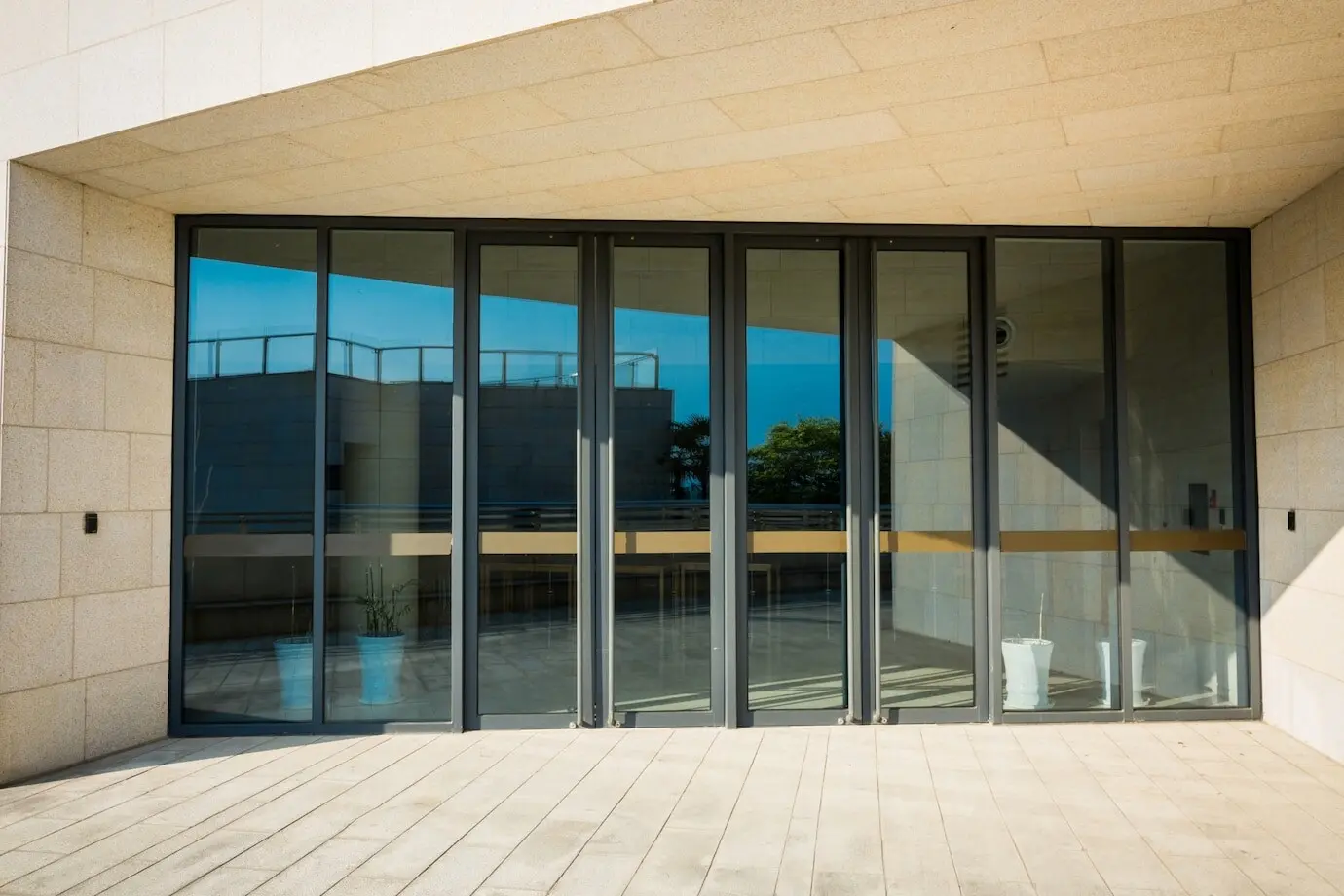
Mirrors amplify depth, but place them where brightness is controlled to avoid double glare. Brushed metals soothe reflections, while polished accents should be carefully aimed to sparkle, not shout. Coordinate fixture finishes with door hardware or faucets. The goal is a quiet hierarchy where light brushes surfaces, enhances craftsmanship, and keeps eyes comfortably exploring rather than blinking away discomfort.